
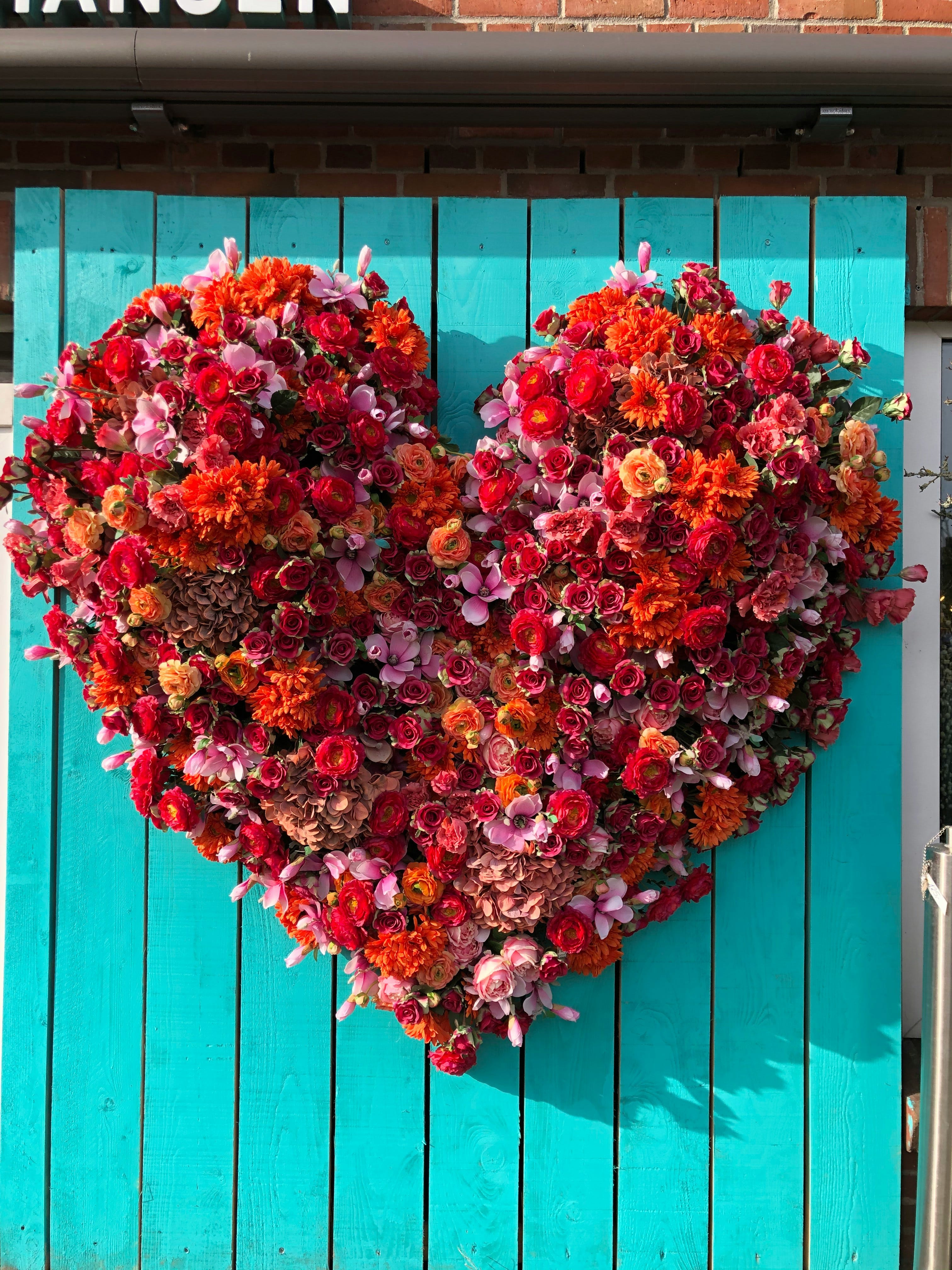
The sign that someone loves you
They knew nobody else would be responsible for it
I grew up in a big family — five kids — and I’m the middle child. Number three. It’s funny because whether you count from the front or from the back, I’m still right there in the middle. And growing up like that, you learn something very quickly: sometimes you get away with things.

My dad used to line us up — me and my two younger siblings — because somehow we were always in the middle of something. One day, me and my little brother decided we were going to recreate WWE moves.

I’d climb to the top bunk, and because I had a queen bed, I thought that made me invincible. I would literally jump on him. And my mom would yell, “Lynn, you have boobs — what are you doing?”

At that age everything feels harmless and cute.

And when my dad would ask, “Kiyès ki fè sa?” nobody said anything.
We stood there so quiet.
No one admitting to anything.
And then we all three got punished together.

Looking back, I’m not proud to say there were many times I stayed quiet even when I knew it was me. But when you’re ten years old, it almost feels normal. You think you can hide behind the group. You think responsibility is something you can share or avoid.

But adulthood doesn’t work like that.

There comes a point where silence doesn’t protect you anymore. Avoiding something doesn’t make it disappear — it just stretches the distance between you and the truth. And I started realizing that recently in ways I didn’t expect, especially as a believer, writer and as someone whose words carry more weight now than — they used to when I was a kid jumping off bunk beds.

I started the Fire series that meant a lot to me. I was passionate to talk about obedience and the testimony of the wait, ready to share. And then I received correction. Not harsh — but honest. Biblical. Loving.

And if I’m being real, it took me about a week to sit with it.

Not because it wasn’t true, but because correction has a way of revealing parts of your heart you didn’t know were still there. I always say I want truth over emotion. But when truth shows up at your door, you realize how tightly you were holding onto your own understanding.

I had to step back.
Not run. Just… sit.

And in that quiet space, I started thinking about those childhood lineups again — about how easy it was to hide behind everyone else, about how correction felt like punishment instead of protection.

Now it felt different.
More intentional.

Because my voice isn’t just mine anymore. The way I approach things, the way I write, the way I speak — it reaches people. And that means I don’t have the same liberty I had when I was little. I can't look down on testimonies or talk about obedience in such a way that strips them of their value and wonder. Responsibility grows with influence.

So instead of saying, “ I wish this wouldn't have happened. or How could I mess up so much like this?” I kept coming back to one question in prayer: What can I learn from this?

Being stuck in “this shouldn’t have happened” often blocks the lesson God is trying to teach you. And I realized I wanted to stay teachable.

That meant actually sitting with God and not hurrying my prayer after I was done speaking. Because sometimes we ask Him for things. Then rush to say Amen before He speaks. It becomes routine. And routine can make something sacred feel ordinary.

The more I sat with Him, the more I started seeing correction differently.

As a child, correction felt like a belt, a lineup, a consequence. But the truth is that my parents corrected us because they loved us. They knew one day, we would walk into a world where nobody else would be responsible for shaping our character. If they didn’t correct us at home, the world would punish us without mercy.

And I began to realize that love isn’t always soft. Sometimes love looks like someone caring enough to say, “This isn’t true or right,” or “You can grow here.”

But we live in a culture that often sees correction as just punishment. But the opposite can be true. When someone takes the time to correct you with wisdom and grace, it means they see potential worth protecting.

I think that’s one of the biggest lessons I’ve learned — that God’s work in us is like constant local construction. Old pavement being removed. New ground being laid. It’s not always comfortable. Sometimes it feels loud, inconvenient, disruptive. But construction means something is being built.

When wiser voices speak into your life — a mentor, a friend, a parent, someone in your church — it’s rarely random. God is intentional about who He allows to speak into our lives. Sometimes it’s not one voice, but three confirmations echoing the same truth until your heart softens enough to hear it.

And maybe that’s what I couldn’t see when I was younger. Back then, correction felt like something to escape. Now I’m learning it’s something to lean into.

Because maybe correction isn’t the absence of love. Maybe it’s the clearest evidence of it. Maybe every lineup, every hard conversation, every moment that asks us to take responsibility is an invitation... to transformation.

And maybe the better question is the one I always bringing to God:

What are You trying to teach me through this?
Kiyès ki fè sa? (Haitian Creole) — who did this?
Heart Call:
Correction is the greatest sign of love.
Proverbs 12:1 (NIV)
“Whoever loves discipline loves knowledge, but whoever hates correction is stupid.”
How do you respond to correction?
A teachable heart is the best thing that can help you grow individually in your walk with Jesus. (and a gift you can bring to your future marriage if God hasn’t called you to singleness)
In what ways can you practically lean into correction with a teachable spirit
through prayer and listening to honest feedback?
Photo Credits: Susn Matthiessen.